

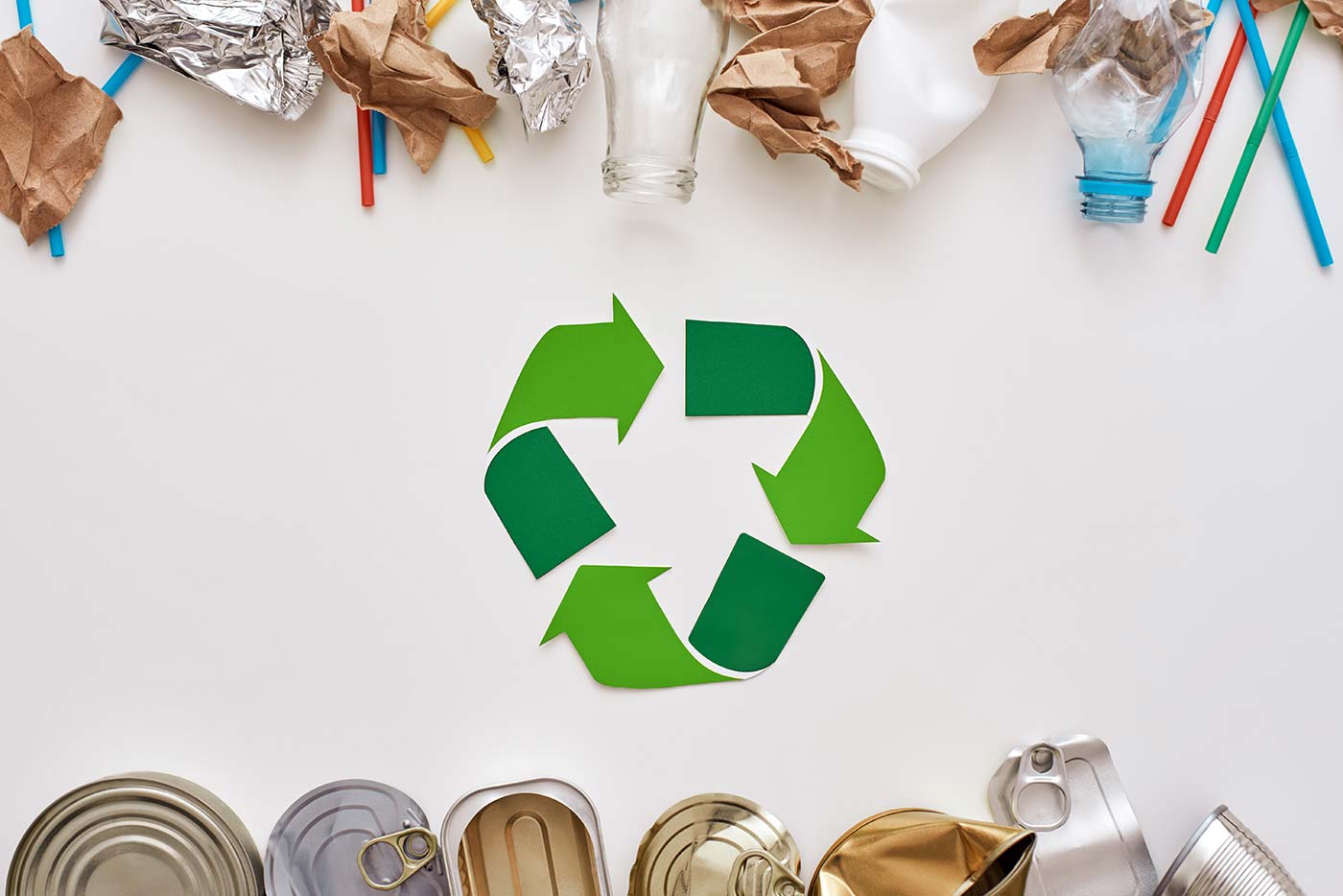
REcycle, REinvent, REloop: The Three-Circle Strategy for Companies Aspiring to Zero Waste
Today, many companies aim to go beyond traditional recycling, embracing a model that transforms waste into economic value opportunities. The REcycle, REinvent, REloop strategy represents a comprehensive approach that not only minimizes environmental impact but also enhances efficiency, innovation, and business competitiveness.
The Meaning of REcycle, REinvent, REloop
1. REcycle: Turning Waste into Resources
The first circle, REcycle, focuses on the revalorization of materials and waste. This involves:
- Advanced waste sorting to ensure maximum material recovery.
- Industrial recycling processes that maintain material quality.
- Integration of recycled materials into production, reducing the need for virgin raw materials.
This approach transforms what was once an operational cost into a strategic asset, promoting the circular economy within the company.
2. REinvent: Innovation from Existing Resources
The second circle, REinvent, seeks to redesign processes and products to maximize efficiency and sustainability:
- Developing products with recycled or reused materials.
- Optimizing production processes to minimize waste and energy consumption.
- Creating new business models based on reuse and resource repurposing.
REinvent not only generates economic savings, but also drives innovation and market differentiation, allowing the company to stand out as a sustainable leader.
3. REloop: Closing the Material Life Cycle
The third circle, REloop, ensures that materials have multiple life cycles, creating a closed-loop resource circuit:
- Collection and return of products at the end of their life.
- Transformation of waste into inputs for new products.
- Use of technological platforms for traceability and monitoring, ensuring each material meets quality and sustainability standards.
REloop allows the company to significantly reduce its ecological footprint while turning waste into a continuous source of economic value.
How This Philosophy Goes Beyond Traditional Recycling
Unlike conventional recycling, which is limited to collection and processing, the REcycle, REinvent, REloop philosophy integrates three key dimensions:
Culture of responsibility: encourages active participation of employees, suppliers, and customers in waste management and circular economy practices.
Sustainable business strategy: every recycling and reuse action aligns with business objectives, generating both environmental and economic benefits.
Continuous innovation: promotes the creation of products, services, and processes that maximize the use of available resources.
Benefits of Implementing the Three-Circle Strategy
Resource Optimization
Transforming waste into resources through REcycle and REloop allows companies to reduce raw material costs, decrease supplier dependency, and improve operational efficiency.
Economic Value and Competitiveness
REinvent turns what was once an expense into additional revenue streams, whether through recycled products, new services, or process innovation.
Corporate Reputation Enhancement
Adopting this philosophy positions the company as a sustainable leader, reinforcing trust with clients, investors, and strategic partners.
Reduction of Environmental Impact
By closing material life cycles, the company contributes to reducing waste generation, pollution, and carbon footprint, meeting global sustainability goals.
Practical Implementation of REcycle, REinvent, REloop
To successfully adopt this strategy, it is recommended to:
- Audit waste and materials: identify recycling and reuse opportunities.
- Invest in technology and processes: incorporate advanced recycling machinery, traceability systems, and data management platforms.
- Redesign products and processes: foster innovation to create sustainable products and efficient processes.
- Education and corporate culture: train staff and raise awareness among all stakeholders about the importance of the circular economy.
Business Success Stories
- Textile industry: brands transform scraps and used fabrics into new collections, reducing waste and raw material costs.
- Food sector: repurposing by-products into new foods or bioproducts, closing the production cycle.
- Construction: reuse of demolition materials in new projects, reducing environmental impact and generating economic savings.
Conclusion: An Integral Strategy for a Sustainable Future
The REcycle, REinvent, REloop strategy demonstrates that it is possible to achieve Zero Waste while creating economic value simultaneously. By integrating recycling, innovation, and cycle closure, companies not only meet environmental standards but also develop competitive advantage and business resilience.